Wildfire and Homeowners Insurance in Arizona: What WUI Homeowners Need to Know
By Josh Cotner
Wildfire and Homeowners Insurance in Arizona: What WUI Homeowners Need to Know
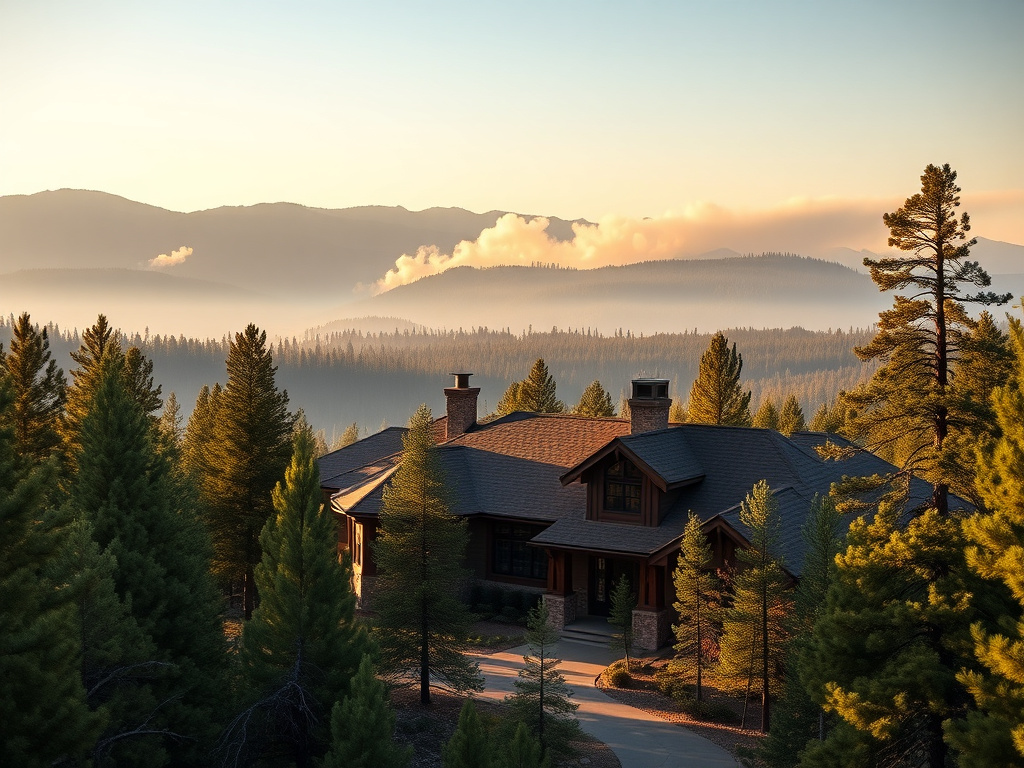
If you own a home in Flagstaff, Prescott, Sedona, or any of Arizona's northern communities, you know wildfire is not an abstract risk. The Tunnel Fire (2022), the Museum Fire (2019), and dozens of smaller events have shown what happens when wildfire reaches the edges of Arizona's forested communities.
The insurance market has responded — not by offering better coverage, but by restricting access to it.
The Arizona WUI Insurance Market
"WUI" stands for wildland-urban interface: areas where human development meets undeveloped wildland vegetation. Arizona has hundreds of thousands of acres of WUI land, concentrated in Coconino, Yavapai, and Pinal counties but present throughout the state.
Over the past several years, admitted carriers — the large, household-name insurers — have restricted underwriting in many Arizona WUI zones. Some have stopped writing new policies in certain ZIP codes. Others have non-renewed existing policyholders after wildfire events.
The result: Arizona homeowners in WUI areas face a market where:
- Fewer carriers will write their home
- Premiums are significantly higher than non-WUI properties
- Coverage terms may be more restrictive
- Some homeowners are forced into the state's FAIR Plan (last-resort insurer)
What Determines Your Wildfire Risk Classification
Carriers use multiple data sources to evaluate wildfire risk:
FireLine Score: A standardized risk score (0–30+) based on vegetation density, slope, and historical fire activity around your property. Lower is better; a score above 20 typically triggers significant underwriting restrictions with many carriers.
Proximity to fire history: If your neighborhood was near a recent wildfire — even one that didn't burn your home — carriers may non-renew or surcharge heavily at your next renewal.
Structure construction: Wood shake roofs, wood decks, and combustible siding are significant underwriting concerns. Class A fire-rated roofing (tile, metal, composition) and non-combustible decking materials can improve your insurability.
Defensible space: Some carriers credit or require documented defensible space — vegetation clearance around the home — as a condition of coverage.
The Arizona FAIR Plan: Last Resort, Not a Plan
The Arizona FAIR (Fair Access to Insurance Requirements) Plan is the state's insurer of last resort. If you cannot obtain homeowners insurance from any admitted carrier, the FAIR Plan must cover you.
The FAIR Plan is not a competitive option. It typically:
- Covers only the dwelling structure (not contents or liability)
- Is priced significantly above standard market rates
- Requires you to separately purchase contents and liability coverage from the surplus lines market
- May have higher deductibles and lower limits
If you've been non-renewed by a carrier and found yourself on the FAIR Plan, it's worth working with an agent who has surplus lines access — even if you can't get back to the admitted market, a coordinated program from surplus lines carriers may provide better coverage at comparable cost.
What WUI Homeowners Can Do to Improve Insurability
Create and document defensible space. NFPA 122 recommends a 0–5 foot non-combustible zone immediately around the structure and a 30–100 foot reduced-fuel zone beyond that. Documenting your clearance (photos, receipts for vegetation removal) can support underwriting conversations.
Upgrade your roof. If your home has a wood shake roof, replacing it with Class A composition, tile, or metal roofing is one of the most impactful steps you can take for insurability. Some carriers won't write wood shake roofs in WUI areas at any price.
Replace combustible decking. Wood decks and wood fencing adjacent to the home are significant fire vectors. Composite decking or concrete alternatives can help.
Consider ember-resistant vents. Ember intrusion through attic and foundation vents is a primary cause of WUI home losses. Ember-resistant venting (1/16" mesh) is a low-cost improvement some carriers credit.
Work with an independent agent with surplus lines access. If you've been non-renewed or are struggling to find coverage, you need an agent who can access surplus lines carriers — non-admitted insurers that write higher-risk properties outside the standard market. Not all agents have this access.
Flagstaff, Prescott, and Sedona: Specific Market Conditions
Flagstaff: Coconino County WUI zones, including much of the Flagstaff urban area, face significant carrier restrictions. The Museum Fire scar area north of town remains a high-scrutiny zone. We have access to surplus lines options that write Flagstaff homes when admitted carriers decline.
Prescott/Prescott Valley/Chino Valley: Yavapai County has seen multiple admitted carriers restrict or exit the market following wildfire events. Older wood-frame homes in Prescott and Chino Valley face the most restricted market. We work with specialty admitted and surplus lines carriers to find viable programs.
Sedona: Sedona's proximity to national forest land and the Coconino National Forest interface makes it a challenging underwriting environment. High property values and complex terrain create additional complications. Specialty coverage through non-admitted markets is often the path forward.
Getting Covered When the Admitted Market Says No
We work with both admitted carriers and surplus lines markets for Arizona WUI homes. We also work with specialty programs designed specifically for wildfire-exposed properties. If you've been non-renewed or are struggling to find coverage, contact us — there are more options than the FAIR Plan.
Need this coverage for your Arizona home?
Get a real quote in about 15 minutes — we compare 12+ A-rated carriers for your Arizona home.