The Arizona Homeowner's Guide to Monsoon, Haboob & Storm Damage Claims (2026)
By Josh Cotner
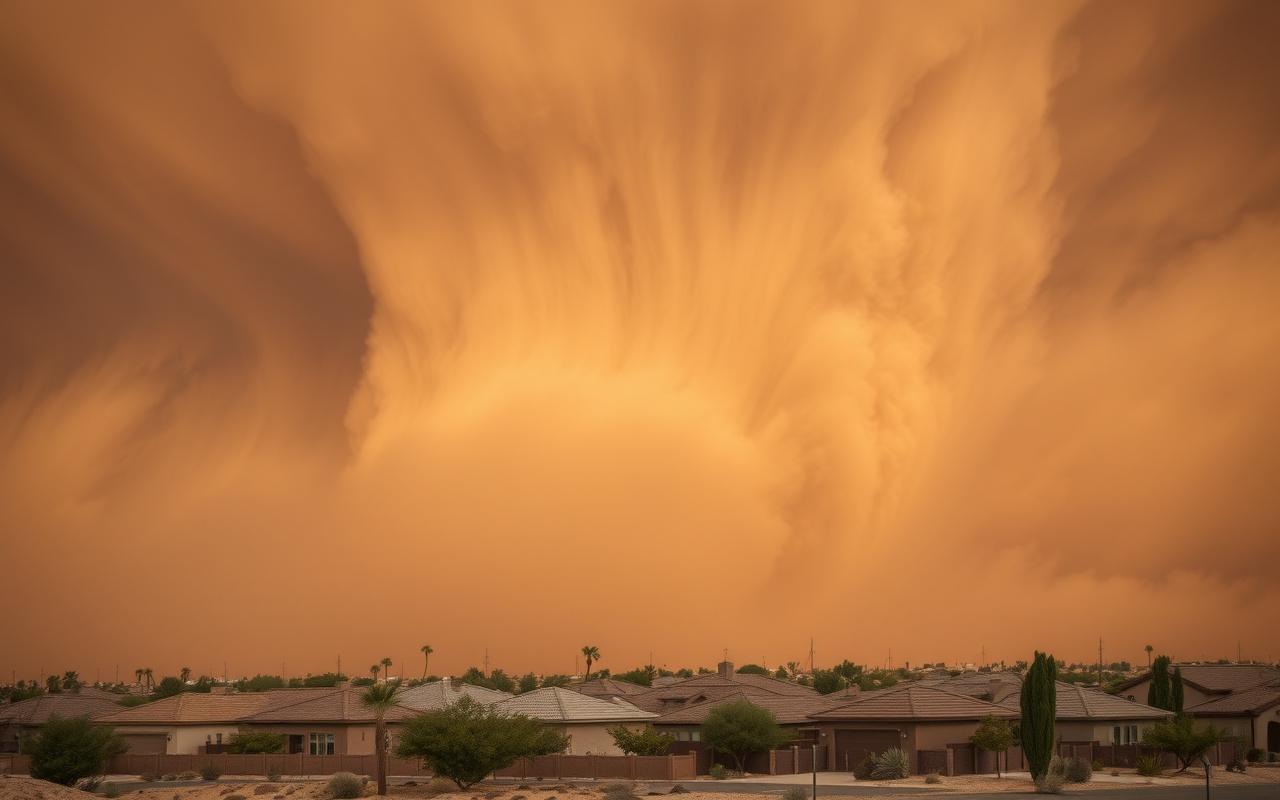
The Arizona Homeowner's Guide to Monsoon, Haboob & Storm Damage Claims (2026)
From roughly June 15 through September 30, Arizona lives under a different set of rules. The North American Monsoon pulls tropical moisture up from the Gulf of California and the Gulf of Mexico, and the result is the most violent weather the state sees all year: microbursts with 70–100 mph straight-line winds, walls of dust a mile high, flash floods that turn dry washes into rivers in minutes, and lightning that starts wildfires in the high country.
For homeowners in Phoenix, Tucson, Mesa, Scottsdale, and every community in between, monsoon season is also claims season. And it is precisely the time of year when the gap between what people think their homeowners policy covers and what it actually covers becomes expensive.
This guide walks through every major monsoon peril Arizona homes face, exactly how a standard HO-3 policy responds to each one, where the dangerous coverage gaps hide, and — when the worst happens — how to file a claim that gets paid fairly and quickly.
What "Monsoon Damage" Actually Means for Your Policy
Here is the single most important thing to understand: your homeowners policy does not have a line item called "monsoon coverage." Instead, a monsoon storm produces several different types of damage, and your policy treats each one differently depending on the peril — the cause of the loss.
A single August thunderstorm can hit your home with four distinct perils at once:
- Wind — a microburst tears shingles or tiles off the roof and topples a wall
- Hail — ice pellets dent the roof, AC condenser fins, and skylights
- Rain intrusion — water blows in through the wind-damaged roof
- Flood — runoff and flash flooding rise up from the ground into the structure
The first three are typically covered by a standard Arizona HO-3 policy. The fourth — flood — is almost always excluded. That single distinction is responsible for more denied Arizona claims than any other, so it is worth understanding in detail.
Wind and Microburst Damage
Wind is a covered peril under virtually every standard homeowners policy written in Arizona. When a monsoon microburst rips tiles off your roof, snaps a patio cover, throws a saguaro arm through a window, or collapses a block fence, that damage is generally covered under your dwelling (Coverage A) and other structures (Coverage B) limits.
A few things Arizona homeowners should watch for:
- Roof settlement terms. Many Arizona carriers now settle older tile and shingle roofs on an actual cash value (ACV) basis rather than full replacement cost. That means depreciation is subtracted based on the roof's age. On a 20-year-old roof, an ACV settlement can pay a fraction of what a new roof costs. Before you buy or renew, confirm whether your roof is insured at replacement cost or ACV — it is the most consequential line in your Arizona policy.
- Wind/hail deductibles. Some carriers apply a separate, percentage-based deductible to wind and hail claims (for example, 1–2% of your dwelling limit) rather than your flat all-perils deductible. On a $500,000 home, a 2% wind deductible is $10,000 out of pocket before coverage begins.
- Cosmetic damage exclusions. A growing number of policies exclude "cosmetic" roof damage — dents that don't affect function. Read this clause carefully, because hail dents on tile are frequently disputed.
Hail Damage
Arizona doesn't get the hailstorms of Texas or Colorado, but monsoon cells absolutely produce damaging hail, especially in the higher elevations around Flagstaff, Prescott, Payson, and Show Low, and occasionally across the Valley. Hail is a covered peril, but it produces the subtlest damage — bruised shingles, cracked tiles, dented metal, and battered AC condensers that may not fail until months later.
If a significant hailstorm passes over your home, document it immediately even if you see no obvious damage. Photograph the sky, note the date and time, and save any local news coverage. Hail claims filed months later are routinely challenged on the grounds that the damage "can't be tied to a covered event."
Dust Storms and Haboobs
The haboob — a towering wall of dust driven ahead of a collapsing thunderstorm — is one of Arizona's signature weather events. A haboob itself rarely damages a structure, but the winds that carry it (and the storm behind it) do. Blowing dust also infiltrates homes through the smallest gaps, coating interiors and clogging HVAC systems.
Coverage here follows the wind rule: damage from the wind that drives a haboob is generally covered; gradual dust infiltration and the resulting cleanup usually are not, because insurers treat fine-dust intrusion as a maintenance issue rather than a sudden accidental loss. If a haboob's winds break a window and dust then pours into the house, the window and the resulting interior damage are typically covered as wind loss. If dust simply seeps in around a poorly sealed door over years, that's on you.
The practical takeaway: seal your home well before the season, and if a storm causes sudden structural damage that lets dust in, document the entry point clearly, because that's what ties the interior damage to the covered wind peril.
Rain Intrusion vs. Flood — The Line That Denies Claims
This is the heart of the guide, so read it twice.
Rain that enters through wind-created damage is usually covered. If a microburst tears off part of your roof and rain then pours into your living room, your HO-3 generally covers both the roof and the interior water damage, because the proximate cause was a covered wind loss.
Water that rises up from the ground is flood — and flood is excluded. Flash flooding, runoff that overwhelms your yard, water backing up out of a wash or wash-adjacent street, and rising water that enters through doors or foundations is considered flood. Every standard Arizona homeowners policy excludes flood. It does not matter that the flood was caused by a monsoon; the exclusion applies to the type of water, not the storm that produced it.
Arizona's flash-flood risk is severe and widely underestimated. Desert soil sheds water instead of absorbing it, so an inch of rain in an hour can send a torrent through neighborhoods that have never flooded before. And critically, most Arizona flash-flood damage happens outside FEMA-mapped flood zones, which means the homeowners hit hardest are often the ones who assumed they didn't need flood insurance.
To cover this exposure you need a separate flood policy — either through the National Flood Insurance Program (NFIP) or a private flood carrier. A few things every Arizona homeowner should know:
- NFIP policies carry a standard 30-day waiting period, so you cannot buy flood coverage as a storm approaches. If you want protection for this monsoon season, you needed it in place well before the season began — which is exactly why we push clients to bind flood coverage in spring.
- Private flood carriers sometimes offer shorter waiting periods, higher limits, and broader terms than NFIP. We compare both for every client in a flood-exposed area.
- Flood coverage and your homeowners loss of use coverage don't always coordinate the way people expect. We walk through that interaction so you're not surprised at claim time.
Lightning and Power-Surge Damage
Arizona monsoon lightning is spectacular and destructive. Direct lightning strikes and the resulting fire are covered perils. So are power surges that fry your electronics and appliances — though some policies sub-limit electronics or require a specific endorsement for high-value equipment. If you run a home office, a solar system, or expensive AV gear, confirm your electronics and equipment-breakdown coverage before the season.
Fallen Trees, Saguaros, and Debris
When monsoon winds bring down a tree, a large cactus, or a neighbor's structure onto your home, the damage to your dwelling is covered. Removal of the debris is generally covered too, though usually subject to a sub-limit (often around $500–$1,000 for debris that hasn't damaged a covered structure). If a healthy tree falls and damages nothing, removal typically isn't covered — the policy responds to damage, not landscaping cleanup.
Pools, Casitas, and Detached Structures
Monsoon storms fill pools with debris, damage pool equipment, and batter detached structures like casitas, ramadas, and workshops. Your pool's equipment may be covered under personal property or other structures depending on your policy; the pool shell is usually under dwelling or other structures. Detached structures fall under Coverage B, which is typically capped at 10% of your dwelling limit — often too little for a substantial Arizona casita. If you have significant detached structures, verify that limit now.
How to File an Arizona Monsoon Claim That Gets Paid
When a storm hits, what you do in the first 48 hours has an outsized effect on how your claim resolves. Here is the sequence we walk our clients through:
- Ensure safety first. Stay away from downed power lines, standing floodwater (which can be electrified or contaminated), and structurally compromised areas.
- Document everything before you touch it. Photograph and video all damage from multiple angles, with timestamps, before making any repairs. Capture the cause where you can — the missing roof section, the broken window, the entry point of water. This evidence is what ties your loss to a covered peril.
- Make reasonable temporary repairs to prevent further damage. Tarping a roof, boarding a window, or shutting off water is not just allowed — it's required of you, and the cost is generally reimbursable. Keep every receipt. Do not make permanent repairs until the adjuster has inspected.
- Report the claim promptly. Call your carrier's claims line (it's on your declarations page) as soon as it's safe. Note the date, time, and nature of the storm. Prompt reporting matters, because late claims invite disputes over whether the damage came from the reported event.
- Create an inventory of damaged personal property. List items, approximate age, and value. Photos and receipts help enormously.
- Keep a claim log. Record every phone call, adjuster visit, and email — names, dates, and what was said. If a dispute arises later, this log is invaluable.
- Don't accept the first number if it feels low. ACV roof settlements, disputed hail, and undervalued contents are all negotiable. As your independent agent, we advocate on your behalf and can help you understand whether an offer is fair.
Before the Season: A 20-Minute Coverage Review That Pays for Itself
The best monsoon claim is the one you were fully prepared for. Every spring, we recommend Arizona homeowners check five things:
- Roof settlement basis — replacement cost or ACV, and any separate wind/hail deductible
- Flood coverage — in place, with the waiting period already satisfied
- Dwelling limit — set to true rebuild cost, not market value or purchase price
- Other structures and detached-structure limits — adequate for pools, casitas, and ramadas
- Loss of use — enough to cover months of Arizona hotel or rental costs if your home is uninhabitable
Rooftop Solar, Snowbird Homes, and Other Arizona-Specific Exposures
A few monsoon exposures are unique enough to Arizona that standard advice misses them entirely — and they're exactly where we see homeowners caught off guard.
Rooftop solar. Arizona leads the nation in residential solar, and monsoon wind and hail damage solar arrays every season. Whether your panels are covered depends on how they were installed and insured. Roof-mounted panels owned by you are often covered under your dwelling or other-structures coverage, but leased or power-purchase-agreement (PPA) systems may belong to the solar company, and ground-mounted arrays may need a separate endorsement. If you have solar, confirm in writing who insures the panels and whether monsoon wind and hail are covered — before a storm makes it urgent.
Snowbird and seasonal second homes. Arizona's winter-visitor homes sit empty for months, often right through monsoon season. A standard homeowners policy can limit or exclude coverage after 30 to 60 days of vacancy, which means a monsoon loss at your unoccupied Scottsdale or Tucson second home could be denied precisely because no one was there. Seasonal owners typically need a vacancy endorsement or a policy written for part-time occupancy. A shut-off water supply and a monitored leak sensor are also cheap insurance against the burst-pipe and roof-leak claims that go undiscovered for weeks in an empty house.
Expansive and collapsible soils. Parts of Arizona sit on soils that swell and shrink dramatically with moisture. A heavy monsoon can saturate the ground and stress foundations, producing cracks that appear structural but are usually excluded as earth-movement or settling. If you see new foundation cracking after a wet monsoon, document it, but understand that foundation and soil-movement claims are among the hardest to get paid and often require specific endorsements or separate coverage.
Casitas, guest houses, and short-term rentals. Many Arizona properties include a casita or guest house used for family, long-term tenants, or short-term rental income. Rental use can void portions of a standard homeowners policy. If any structure on your property generates income, tell us — it usually needs its own coverage so a monsoon claim on that building isn't denied for undisclosed rental activity.
Frequently Asked Questions
Does homeowners insurance cover monsoon damage in Arizona? Partly. Wind, hail, lightning, and rain that enters through wind-created damage are covered under a standard HO-3. Flooding and flash-flood runoff are excluded and require separate flood insurance.
Is flash flooding covered by my Arizona homeowners policy? No. Flood — including monsoon flash flooding and runoff that rises from the ground — is excluded from every standard homeowners policy. You need an NFIP or private flood policy, and NFIP policies carry a 30-day waiting period.
My roof was damaged by monsoon wind. Will insurance pay for a new roof? It depends on your roof settlement terms. If your roof is insured at replacement cost, you should receive the cost to replace the damaged sections with a new roof (minus your deductible). If it's insured at actual cash value, depreciation is subtracted based on the roof's age, which can substantially reduce the payment.
Does insurance cover dust damage from a haboob? Sudden damage from the winds driving a haboob — broken windows, torn roofing — is generally covered. Gradual dust infiltration and routine cleanup usually are not, because insurers treat fine-dust intrusion as maintenance rather than a sudden accidental loss.
How long do I have to file a monsoon claim in Arizona? Report as soon as reasonably possible. Policies require prompt notice, and late claims are frequently disputed. Document the damage immediately even if you can't reach your carrier right away.
Should I file a small monsoon claim? Not always. If the damage is close to your deductible, filing may cost you more in future premium increases or non-renewal risk than the claim is worth — especially in Arizona's tightening market. We help clients weigh whether filing makes sense.
The Bottom Line
Monsoon season is not a question of if your home will be tested but when. The homeowners who come through it well aren't lucky — they're the ones who understood the wind-versus-flood distinction, carried the right roof settlement terms, bound flood coverage before the season, and documented their losses properly.
If you're not certain how your policy would respond to a monsoon microburst, a haboob, or a flash flood, that's exactly the review we do for every Arizona homeowner we work with. Call us at 844-967-5247 or request a quote, and we'll make sure your coverage is built for the season Arizona actually has — not the one the policy language assumes.
Need this coverage for your Arizona home?
Get a real quote in about 15 minutes — we compare 12+ A-rated carriers for your Arizona home.