Arizona Homeowners: Is Your Dwelling Coverage Enough to Actually Rebuild?
By Josh Cotner
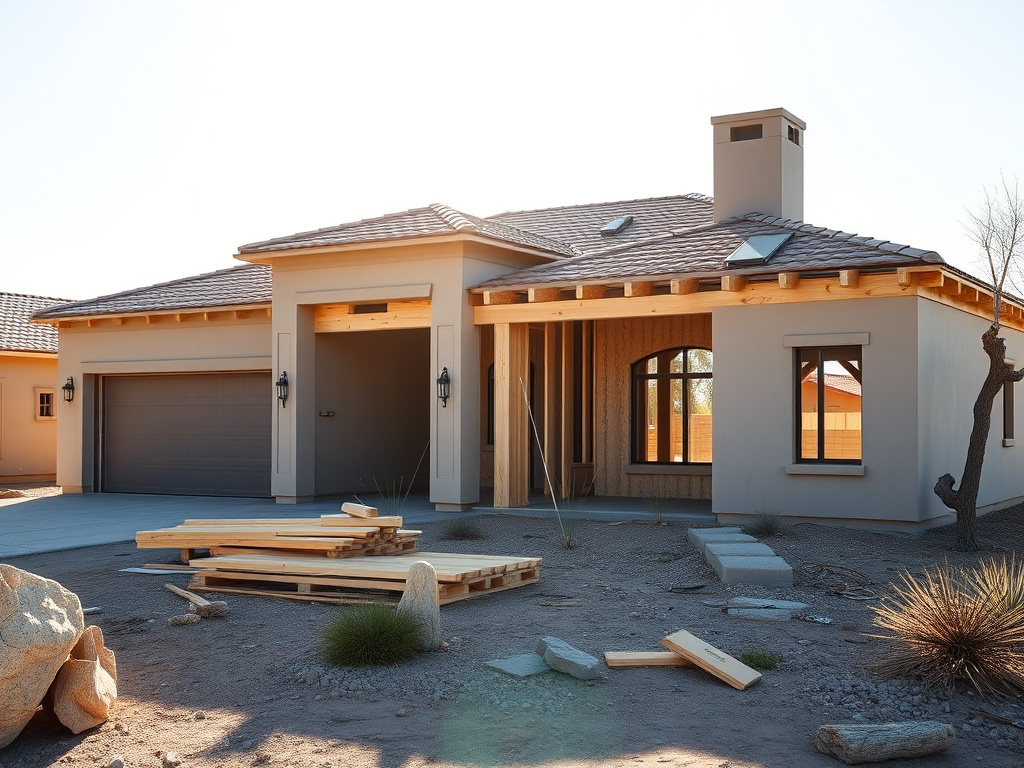
Arizona Homeowners: Is Your Dwelling Coverage Enough to Actually Rebuild?
Here's one of the most common — and most expensive — mistakes Arizona homeowners make with their insurance: setting the dwelling coverage limit based on what they paid for the house, or what it would sell for today.
The problem is that after a total loss, you don't need to buy a home. You need to rebuild one. And in Arizona's current construction market, those two numbers are very different.
Market Value vs. Rebuild Cost
Market value — what your home would sell for today — reflects land value, neighborhood desirability, school districts, proximity to employers, and supply-demand dynamics in the housing market. None of those factors affect what it costs to rebuild your home after a fire, wildfire, or catastrophic storm.
Rebuild cost is driven by:
- Square footage of the structure
- Construction type (wood frame, block, stucco, custom finishes)
- Labor costs in your local market
- Materials prices (lumber, concrete, drywall, roofing)
- Permitting and contractor fees
- Debris removal before rebuilding can begin
In Arizona's major markets, residential reconstruction currently runs $150–$350+ per square foot depending on construction quality and finishes. A 2,400 square foot home with mid-range finishes could cost $360,000–$700,000 to rebuild — well above market value in many Phoenix suburb ZIP codes, and potentially far below what a custom Scottsdale or Paradise Valley home would cost.
How Arizona Homeowners End Up Underinsured
There are three common paths to underinsurance in Arizona:
1. Coverage set at purchase price. Many homeowners set their dwelling limit based on what they paid for the house — including land value — and never adjust it. As construction costs rise, the gap grows.
2. Coverage not updated after renovations. A kitchen remodel, bathroom addition, room addition, or pool enclosure increases your rebuild cost. If your policy wasn't updated to reflect the improvement, you're underinsured for it.
3. Construction cost inflation. Arizona experienced significant construction cost inflation in 2020–2023. Policies that were adequate five years ago may be significantly short today.
The Real-World Cost of Being Underinsured
Suppose your Arizona home would cost $600,000 to rebuild, but you're carrying $400,000 in dwelling coverage. After a total loss — a wildfire, for example — your insurer pays $400,000. You're responsible for the remaining $200,000.
And that's assuming a straightforward settlement. Many policies include coinsurance provisions or apply an 80% rule: if your dwelling coverage is less than 80% of replacement cost, the insurer can reduce claim payments proportionally, even for partial losses. A major roof or fire claim could be paid at less than face value.
Extended Replacement Cost and Guaranteed Replacement Cost Endorsements
Two endorsements can protect you from this gap:
Extended replacement cost: The insurer pays up to a fixed percentage above your stated dwelling limit — typically 25% or 50% — if rebuild costs exceed your policy limit at the time of loss. If your home is insured for $500,000 with a 25% extended replacement cost endorsement, the insurer would pay up to $625,000 for a total loss.
Guaranteed replacement cost: The insurer pays the full cost to rebuild your home to its pre-loss condition, regardless of the coverage limit. This is the strongest protection, but fewer carriers offer it, and it typically requires keeping your coverage amount in line with an insurer-generated replacement cost estimate.
Both endorsements cost more than a standard policy. But the cost is modest relative to the protection they provide in a total loss scenario.
Getting a Rebuild Cost Estimate for Your Arizona Home
Most insurers use automated valuation tools to estimate rebuild cost when you apply for coverage. These tools consider square footage, construction type, ZIP code, and construction cost data for your market.
The problem is that automated estimates can be off — especially for custom homes, homes with unique finishes, or homes in markets where construction costs have moved faster than the tool's data.
If you have a custom home, a high-end Scottsdale property, or a home with significant improvements, consider getting a certified residential appraisal that specifically addresses replacement cost (not market value). That number should be the foundation of your dwelling coverage.
What to Check on Your Current Policy
Pull out your homeowners declarations page and look for:
- Dwelling coverage (Coverage A): The amount your insurer will pay to rebuild the structure
- Extended replacement cost endorsement: Whether you have it and the percentage
- Inflation guard: Whether your coverage automatically adjusts annually for construction cost inflation (most policies include a small annual increase — typically 4–8%)
If you don't have an extended replacement cost endorsement and your dwelling coverage hasn't been reviewed in the last two years, it's worth a conversation with us.
Getting Your Arizona Dwelling Coverage Right
We review dwelling coverage for every Arizona homeowner client — verifying that the coverage limit reflects actual rebuild cost, not market value, and recommending extended replacement cost endorsements where appropriate. Contact us to review your current policy or get a new quote with dwelling coverage built for what your Arizona home would actually cost to rebuild.
Need this coverage for your Arizona home?
Get a real quote in about 15 minutes — we compare 12+ A-rated carriers for your Arizona home.